
Weather-Resilient Beauty: The PNW Homeowner's Guide to Exteriors That Last
You know that feeling. You look out the window at the mist clinging to the evergreens, the deep, moody green that makes living in the Pacific Northwest so special. But then you look at your house. You see the faint green tinge of algae creeping up the north-facing wall, the paint that's starting to peel near the trim, the dark streaks on the roof.
And you feel that little pit in your stomach.
It's the quiet battle every PNW homeowner fights: how do you create a home with stunning curb appeal that doesn't immediately surrender to our relentless, moisture-heavy climate?
Look, most of the advice out there is fragmented. One article tells you about durable siding. Another talks about pretty color palettes. A highly technical PDF from a building science lab tries to explain moisture management in a language that requires an engineering degree. Nobody is connecting the dots.
This is different. This is your holistic guide to achieving enduring beauty. We're going to bridge the gap between the aesthetics you crave and the resilience your home desperately needs. We'll explore how the right materials, smart color choices, and a deep understanding of how water behaves in our climate all work together to create an exterior that not only looks beautiful on day one, but continues to look beautiful year after year.
Understanding the PNW Climate: Your Home's Constant Companion
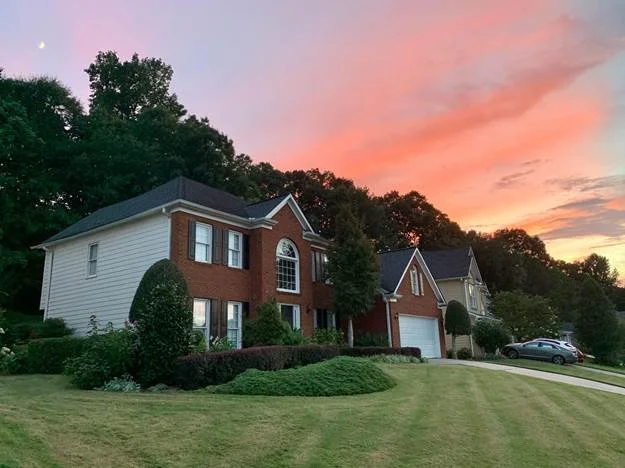
Before we talk solutions, we have to be honest about the problem. Here in Washington, from Skagit to King County, our weather is the defining factor for any exterior project. It's not just about the rain; it's about the character of our moisture.
The Persistent Damp: We don't always have dramatic downpours. Instead, we have months of lingering drizzle, fog, and high humidity. This constant moisture is what promotes the growth of mold, mildew, and moss. As PNW Construction & Energy Services notes, this persistent moisture is "one of the biggest risks for homes in the Pacific Northwest," leading to everything from wood rot to compromised indoor air quality.
Temperate Swings: We might not have the extreme heat or cold of other regions, but our freeze-thaw cycles in the winter can be brutal on materials. Water seeps into tiny cracks, freezes, expands, and slowly pries your home apart.
Occasional Severe Weather: Don't forget the atmospheric rivers that bring torrential rain and wind, or the sporadic hailstorms that can shred a standard roof in minutes.
Any exterior choice that ignores these realities is, frankly, a waste of money. The goal isn't to fight the climate; it's to choose a system of materials that works in harmony with it.
The Foundation of Beauty: Choosing Weather-Resistant Siding
Your siding is your home's first line of defense. It needs to be a shield against the elements while also serving as the canvas for your home's entire aesthetic. Here's a breakdown of the top contenders for our region.
Fiber Cement Siding: The PNW Champion
If there's one material that feels tailor-made for our climate, it's fiber cement. Local contractors like LADA Exteriors and Siding Vault consistently recommend it, often calling it the "gold standard." And for good reason.
Made from a mix of cement, sand, and cellulose fibers, products like James Hardie siding are virtually impervious to the threats that plague other materials.
Moisture & Rot Resistance: It doesn't absorb water, so it won't swell, buckle, or rot like wood can. This is its number one advantage in our damp environment.
Dimensional Stability: It doesn't expand and contract significantly with temperature changes, which means your paint job holds up longer and caulk joints remain sealed.
Pest & Fire Resistant: It's non-combustible and offers no food for termites or carpenter ants.
Aesthetic Versatility: This is the key. You can get fiber cement in styles that convincingly mimic natural wood lap siding, shingles, or modern smooth panels. You get the classic charm without the grueling maintenance.
Honestly, the long-term value is undeniable. While the upfront cost is higher than vinyl, its expected lifespan of 30-50+ years and minimal upkeep make it a sound investment.
Metal Siding: The Modern Fortress
For a more contemporary look, or for homes in areas that get a bit more wind and weather, metal siding (typically steel or aluminum) is an incredible option. It offers a sleek, modern aesthetic and is virtually maintenance-free. It won't rot, warp, or succumb to pests. Its color stability is fantastic, and it's a great choice for anyone seeking extreme durability against wind and even hail.
Engineered Wood: The Best of Both Worlds
Engineered wood products, like those from LP SmartSide, offer a compelling middle ground. They are made from wood strands combined with resins and treated with waxes and zinc borate to resist moisture and pests. The result is a product that has the deep, rich texture of real wood but with significantly better performance in a damp climate. It's a great way to get that timeless Pacific Northwest wood look without the constant worry and upkeep of traditional cedar.
A Note on Natural Cedar: Beauty with a Commitment
Let's be real: nothing looks quite like natural cedar. Its warmth and character are quintessential PNW. But choosing it requires a serious commitment. In our climate, cedar needs to be meticulously maintained—regularly cleaned and re-stained or sealed every few years—to prevent it from succumbing to rot, mold, and discoloration. If you have the time and budget for that upkeep, it's a beautiful choice. If not, fiber cement or engineered wood can give you a similar aesthetic without the demanding relationship.
Protection From Above: Roofing That Shrugs Off Hail and Rain
Your roof takes the most direct abuse from the weather. Here, durability isn't just a feature; it's a matter of protecting the entire structure of your home. A reliable residential roofing system is non-negotiable.
Impact-Resistant Asphalt Shingles: The Smart Standard
Asphalt shingles have come a long way. The key innovation for our region is the "Class 4" impact rating. As the experts at Axiom Roofing explain, this is a serious durability test. To earn this rating, a shingle must withstand having a 2-inch steel ball dropped on it from 20 feet without cracking.
Think about it this way: that's the kind of toughness that turns a potentially catastrophic hailstorm into a non-event for your roof.
Leading brands like Owens Corning and CertainTeed offer algae-resistant architectural shingles with this Class 4 rating. Not only do they defend against hail, but their layered construction provides superior wind resistance, and special coatings help prevent those ugly black streaks caused by algae growth. Here's a little-known bonus: many insurance companies offer premium discounts for installing a Class 4 roof because they know it significantly reduces their risk. It's a win-win.
Metal Roofing: The Lifetime Defender
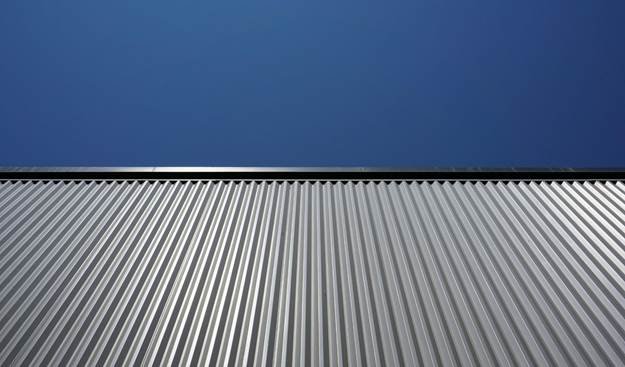
For the ultimate in longevity and resilience, nothing beats a metal roof. With a lifespan of 40-70 years, it's often the last roof you'll ever need to install. Metal roofs are impervious to rot and insects, shed rain and snow with incredible efficiency, and can withstand extreme winds. They are also highly resistant to hail and fire.
But it's not just about durability. Metal roofing offers a clean, modern aesthetic that works beautifully with many PNW home styles. And as we see more homeowners adding upgrades, it's worth noting that a durable metal roof provides a perfect platform for additions like solar panel installations.
A Quick Word on Craftsmanship: The best materials in the world will fail if they aren't installed correctly. Details matter. For instance, some top-tier roofers insist on hand-nailing shingles instead of using a pneumatic nail gun. Why? It ensures every nail is driven perfectly flat and to the right depth, providing superior holding power against wind uplift. It's a small detail that speaks volumes about a contractor's commitment to quality.
The Perfect Palette: Climate-Optimized Colors for the PNW
Okay, let's talk about the fun part: color. But here, even color choice is tied to performance.
Paint companies like Benjamin Moore have noticed a distinct shift in the PNW aesthetic. We're moving away from the cool grays of the last decade and embracing warmer, earthier tones that connect our homes to the natural landscape. Think sage and olive greens, warm taupes, rich browns, and even terracotta accents. These colors feel grounding and comforting against our often-gray skies.
But here's the technical side:
Paint Quality is Everything: Don't skimp here. A high-quality, 100% acrylic latex paint (like Sherwin-Williams Duration or Benjamin Moore Aura) is essential. These paints are more flexible, meaning they expand and contract with your siding without cracking. They also contain mildewcides that help fight off the inevitable green tinge.
Color Fading: Darker colors absorb more heat and UV radiation, which can lead to faster fading and put more stress on the siding material itself. While modern paints are much better, it's still a factor to consider.
Hiding Imperfections: Lighter colors are more forgiving on surfaces that aren't perfectly smooth, but they can show dirt and algae growth more readily than mid-tones.
The key is to balance the aesthetic you want with the performance you need. A beautiful sage green on durable fiber cement siding, painted with a premium acrylic latex, is a combination that delivers both stunning beauty and long-term resilience.
The Invisible Shield: Moisture Management Secrets Most Contractors Don't Explain
This is maybe the most important section in this entire guide. You can have the best siding and the best roof, but if water gets trapped behind your walls, you're headed for disaster. Proper moisture management is an entire system, and it's something a truly expert contractor understands deeply.
Here's what I mean. Think about a high-quality rain jacket. It doesn't just block water; it's also "breathable," allowing moisture vapor (your sweat) to escape so you don't get clammy inside. Your house needs the same thing.
This is achieved through a concept called a rainscreen. In simple terms, it's a small, intentional air gap created between your siding and the water-resistant barrier on your walls. This tiny gap is a game-changer in our climate. It allows any water that sneaks past the siding to drain away harmlessly, and it allows the wall to dry out completely. It's the ultimate defense against trapped moisture and the rot it causes.
It's not just rainscreens. It's about meticulous attention to detail in other areas:
Proper Flashing: Ensuring every window, door, and corner has correctly installed metal flashing to direct water away from vulnerable seams.
Ventilation: Making sure your attic and crawl spaces have adequate ventilation to let moist air escape before it condenses on cool surfaces and causes mold.
Gutters and Grading: Keeping your gutters clean and ensuring the ground around your foundation slopes away from the house are simple but critical steps.
This integrated system is the invisible shield that ensures the beauty you see on the outside is backed by a healthy, dry, and durable structure on the inside.
Finding the Right Partner for Your PNW Home
By now, you can see that creating a weather-resilient, beautiful exterior is about more than just picking a product off a shelf. It's about designing a complete system where the siding, roofing, paint, and moisture management all work together.
This requires a partner who sees the big picture. When you're evaluating contractors, ask them questions that go beyond the price of materials.
Ask them why they recommend a certain siding product for the PNW.
Ask them to explain their approach to moisture management and flashing.
Ask about their installation techniques and the experience of their crew.
You're looking for an advisor, not just an installer. A family-owned company with deep roots in the community often brings a level of accountability and pride in their work that you won't find elsewhere. They understand that their reputation is built one successful project at a time, right here in the neighborhoods where they live and work. Look for a team that values honesty, safety, and clear communication—values that are foundational to a successful project and a lasting relationship.
Investing in your home's exterior is one of the most significant financial decisions you'll make. By choosing a holistic system of durable materials and partnering with a true expert, you're not just buying curb appeal. You're investing in peace of mind, protecting your home's value, and creating a beautiful, enduring sanctuary that truly stands up to the majestic, misty climate of the Pacific Northwest.
Ready to start the conversation about your home? Contact us for a free, no-pressure estimate.
Frequently Asked Questions
Q: Is fiber cement siding really worth the higher upfront cost compared to vinyl?
A: For most PNW homeowners, yes. While vinyl is a budget-friendly option, fiber cement offers a significantly longer lifespan (often 50+ years vs. 20-30 for vinyl), superior resistance to impact and temperature swings, and holds paint much longer. When you factor in the long-term durability and lower maintenance, the lifetime value of fiber cement is exceptional in our demanding climate.
Q: How often do I really need to clean my siding and roof in Washington?
A: We generally recommend a gentle cleaning once a year, typically in the late spring after the pollen season. For our climate, the main goal is to remove the buildup of dirt, pollen, and algae spores before they can take root. A soft brush, or a power washer on a very low setting, with a mild, eco-friendly cleaning solution is usually all that's needed to keep your exterior looking fresh.
Q: Can I really get an insurance discount for installing a Class 4 roof?
A: Yes, it's very common. Many insurance providers recognize that Class 4 impact-resistant shingles significantly reduce the risk of damage from hailstorms, which are costly to repair. Contact your insurance agent before your project begins to inquire about potential discounts on your homeowner's premium. It can be a significant long-term saving.
Q: My house is surrounded by trees. What's the best exterior choice to deal with shade and falling debris?
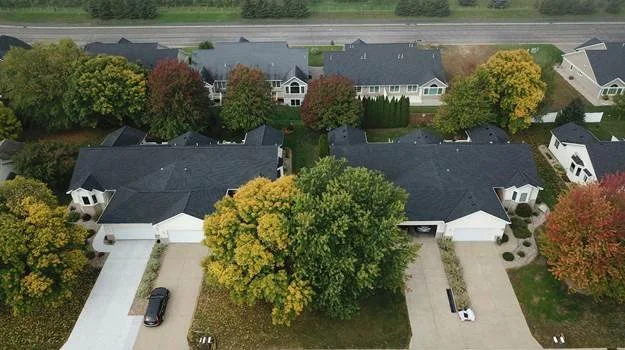
A: In shady, tree-heavy areas, moisture and algae are your biggest enemies. A smooth-finish fiber cement or metal siding is an excellent choice as it provides fewer nooks and crannies for debris and moisture to collect compared to heavily textured wood-grain siding. For roofing, a metal roof is ideal because it sheds leaves and needles easily. If you choose asphalt shingles, be sure to select a product with a high algae-resistance rating (often designated as "AR").